

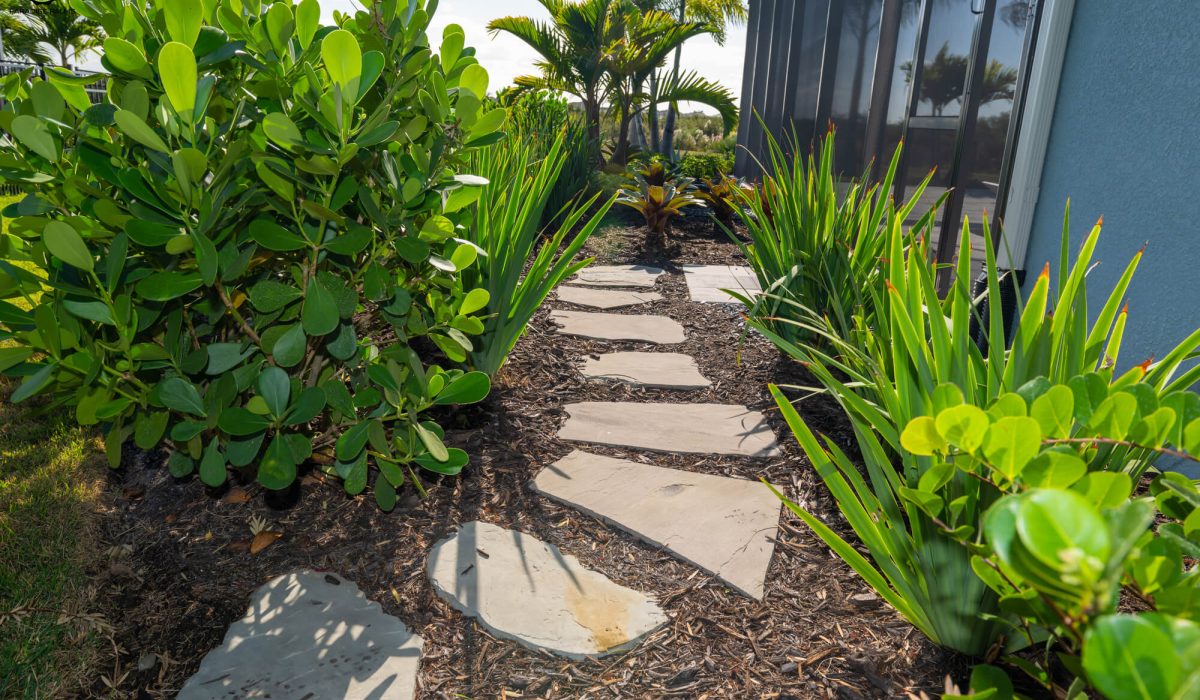
The best Florida landscaping plants aren’t just “pretty”—they’re built for heat, heavy rain, and fast growth, while still keeping your yard clean and intentional.
If you’re searching for Florida landscaping plants, you’re probably trying to solve a real problem: you want a yard that looks great in Florida weather without turning into a constant trimming and cleanup project. Between intense sun, sudden downpours, sandy soil, and long growing seasons, the plants you choose matter—but so does how you place them. This guide covers reliable plant picks for sun and shade, plus simple design rules that help everything look polished year-round.
What Makes a Plant “Florida-Friendly”?
Not every plant that survives in Florida actually performs well in a landscape bed. The best performers tend to share a few traits: they handle heat without burning, they don’t melt in heavy rain, they stay relatively tidy, and they don’t shed constantly near walkways, driveways, or pool areas. If you want a clean look, it’s also smart to avoid plants that sprawl quickly or require weekly shaping to look decent.
One more thing: the right plant in the wrong spot is still the wrong choice. A “full sun” plant will struggle on the shaded side of a home, and a shade plant will thin out or scorch if it’s baking all afternoon.
Best Florida Landscaping Plants for Full Sun
Full sun areas are where Florida landscapes either shine or fall apart. These are the beds that take the brunt of midday heat and reflective glare from driveways. The goal is to pick sun-tough plants that keep their color and shape without constant babysitting.
Clean, structured shrubs
Structured shrubs are what make a so-so yard look designed. They give you consistent shape and “order” in the bed so accents and color don’t feel chaotic.
Texture accents (the “high-end” layer)
In many Florida designs, texture is what creates the premium look. Spiky forms, bold leaves, and contrasting shapes make the bed look intentional even when flowers aren’t popping.
Color that won’t feel messy
Seasonal color can look amazing in Florida—when it’s used with restraint. One tight color band or a few repeated pockets usually looks far better than mixing everything everywhere.
Best Florida Landscaping Plants for Partial Shade
Partial shade beds are common in Florida neighborhoods because homes cast long shadows and palms filter sunlight. These areas are perfect for plants that like bright light but don’t want to be cooked all day.
A smart approach is using shade-tolerant plants for fullness and then adding a few texture accents for contrast. This keeps the bed from looking flat, especially around entries and windows.
Best Florida Landscaping Plants for Shade
Deep shade doesn’t mean your landscaping has to look sparse. It just means your plant selection has to be realistic. The best shade choices in Florida are plants that stay full without stretching toward light or thinning out, and that don’t require constant replacement.
Shade beds often look best when you focus on lush leaves and clean repetition, rather than trying to force nonstop flowering color.
Design Tip: Use Plant Layers to Keep Beds Clean
Here’s a simple trick that makes almost any Florida plant selection look better: build your beds in layers. Layering keeps the bed readable and prevents that “overgrown jungle” feel that happens when everything competes for space.
- Low layer: tidy plants that define the bed edge and keep the border crisp.
- Mid layer: structured plants that add fullness without blocking everything.
- Accent layer: a few statement textures that create contrast and visual interest.
When you plan it this way, maintenance becomes easier because each section has a job. You’re not just trimming randomly—you’re preserving a layout.
Rock vs. Mulch in Florida: What Helps Plants (and What Looks Cleaner)
Many homeowners choosing Florida landscaping plants also ask the same question: should I use rock or mulch? The best answer is usually “both, strategically.” Mulch supports plant health and gives a classic look, while rock accents can hold structure and contrast in focal areas.
In Florida, clean edging is the difference-maker. If the edge is weak, mulch drifts, rock spreads, and beds start to look sloppy after a few storms. A crisp border helps everything stay put and keeps the yard looking finished longer.
A Simple Florida Plant Strategy That Works Almost Everywhere
If you want a low-stress path to a clean yard, use this approach: pick a small set of reliable plants and repeat them. Repetition is what makes landscaping feel premium. Instead of planting one of everything, choose a few go-to plants for your sun level and repeat them in consistent spacing.
This creates rhythm, keeps the design cohesive, and prevents the bed from looking like a random collection of leftovers. It also makes future refreshes easier because you’re working within a plan.
Want Help Choosing the Right Florida Landscaping Plants for Your Yard?
Picking the right plants is only half the win. The layout, spacing, bed shape, and material choices are what make everything look clean long-term. If your yard feels messy, outdated, or hard to maintain, the fix usually isn’t “add more.” It’s choosing better performers and building a design that fits Florida conditions from day one.
FAQ: Florida Landscaping Plants
What are the best Florida landscaping plants for full sun?
The best full sun choices are plants that hold color and structure through heat and rain, and that don’t require constant shaping to stay tidy.
What plants do well in Florida shade?
Shade performers are plants that stay full without stretching for light and that don’t thin out in low-sun areas near homes and under tree canopies.
How do I keep Florida landscaping from looking overgrown?
Use fewer plant types, repeat them consistently, and leave room for growth. Layering also helps keep the bed readable and clean.
Is mulch or rock better for Florida landscaping beds?
Mulch supports plant health and offers a classic look, while rock accents add contrast and structure. Many clean installs use both strategically.
Why do some Florida plants look great at first but fail later?
Often it’s a placement issue: sun plants in shade, shade plants in full sun, or spacing that didn’t account for how fast Florida plants grow.